
Is Carlsbad Still a Good Deal? 5 Data-Driven Clues Hidden in the Local Market
Wondering if Carlsbad, California is still worth the premium price tag? With headlines buzzing about shifting markets and higher interest rates, it's easy to feel unsure about when—or whether—to make a move. Yet beneath the noise, the local data tells a surprisingly clear story about value, stability, and long-term upside in this coastal community. Looking closely at prices, inventory, demand, and lifestyle factors helps separate hype from opportunity.
Instead of trying to "time the market," smart buyers and sellers are asking a better question: Is this area likely to hold and grow its value over the next 5–10 years? Carlsbad's answer leans strongly toward yes, but not for the reasons most people assume. The real clues show up in how quickly homes move, who is moving in, and how limited the future supply of coastal property truly is. When you look at the numbers through that lens, Carlsbad starts to look less like a risky splurge and more like a strategic long-term investment.
At the same time, real estate is deeply personal. A "good deal" is not just about price charts—it's about quality of life, daily routine, and how the home supports your goals. That's where local expertise and patient guidance matter. Clients frequently mention how Compass agent Loren Sanders slows the process down just enough to help them see the full picture: the line between paying top dollar and paying wisely for the right property is thinner than it looks, especially in a competitive coastal market.

Clue #1: Price Growth Has Cooled—But Not Collapsed
Over the last decade, home values in this North County coastal hub have climbed substantially, reflecting its lifestyle appeal and limited coastline. In the last year or two, that pace has noticeably cooled, which can feel unsettling if you were expecting double-digit appreciation forever. However, normalization does not equal free fall. Instead, what's emerging looks more like a plateau at a higher level, with modest growth rather than explosive spikes.
For buyers, this flattening can actually be an advantage. Slower price increases often mean fewer irrational bidding wars and more time to think clearly about each decision. You may still face competition for well-priced homes, but the days of waiving every contingency just to get in the door are less common in many segments. That shift gives you more room to negotiate on terms, repairs, or closing costs—forms of value that don't always show up on the sales price alone.
Sellers, on the other hand, benefit from the strong floor that coastal proximity provides. Even with higher interest rates, properly marketed homes in desirable Carlsbad neighborhoods are still finding solid buyers. A seasoned agent who closely tracks micro-trends within each village—Olde Carlsbad, La Costa, Aviara, Bressi Ranch, and beyond—can position a listing where the market is actually trading today, not where it was six or twelve months ago.
Clue #2: Inventory Remains Tight, Especially Near the Coast
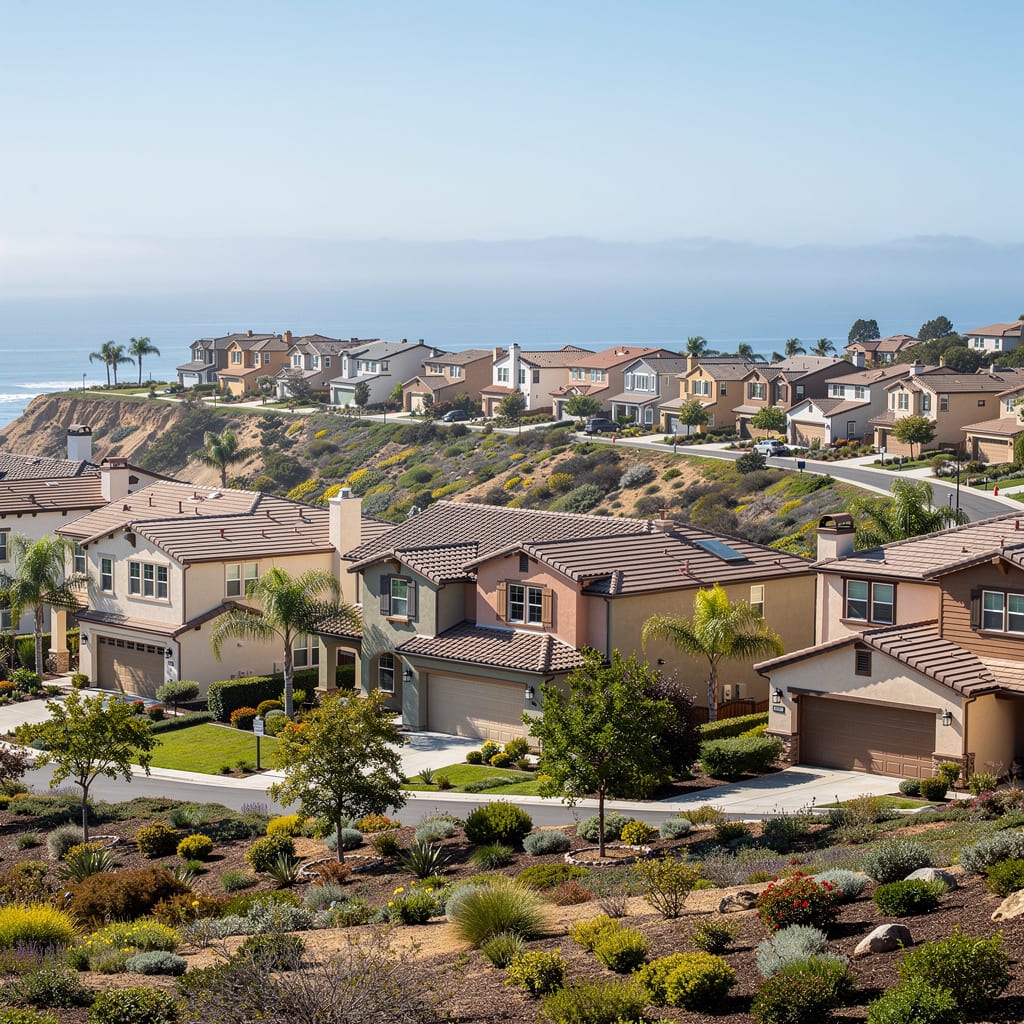
One of the strongest signals that Carlsbad is still a good deal long term is its chronic lack of inventory. There is only so much land west of the 5 freeway, and most of it is already developed or protected. Even east of the freeway, thoughtful planning and built-out communities limit large new tracts. The result is a market where fresh listings consistently lag behind buyer demand, particularly for homes with ocean views, walkable locations, or family-friendly floor plans.
Low inventory doesn't just influence prices today—it shapes the future. When you buy in an area where supply can't grow significantly, you're effectively purchasing a slice of scarcity. Over time, that tends to support both resale value and rental demand. Data from past market cycles shows that these constrained coastal zones typically soften less in downturns and recover faster once conditions stabilize.
Of course, tight inventory also creates challenges. You may need to expand your search radius into neighboring pockets, consider homes that need cosmetic updating, or move quickly when a match appears. An agent like Loren, who is known for patience and a calm, professional approach, can help you sit tight through the quiet weeks—and then act decisively when the right opportunity surfaces. Sometimes the "deal" is not a bargain-bin price, but a fair price on a property that would be extremely hard to replace.
Clue #3: Days on Market Reveal Where the Value Hides
Another underappreciated metric is days on market. When a property lingers, many buyers assume something must be wrong, but the reality is often more nuanced. Overpricing, limited staging, or poor timing can all keep a home sitting, even when the fundamentals are solid. If you're able to look past surface issues, those longer-on-market listings are sometimes where hidden value lives.
By contrast, turnkey homes in the most sought-after communities still tend to move quickly, even in a cooler environment. This split market—where some homes fly off the shelf while others lag—can create opportunities for buyers who are data-driven and flexible. Reviewing pricing history, neighborhood trends, and recent comparable sales side by side helps clarify whether a property is mispriced or simply misunderstood.
This is where professional guidance becomes crucial. Clients regularly point to Loren's market knowledge and transaction insight as the factor that gave them confidence to pursue (or walk away from) a home. A good agent doesn't just read the MLS notes; they know why something is taking longer to sell and can explain whether that delay represents risk or room for negotiation.
Clue #4: Lifestyle Demand Is Growing Faster Than New Supply
Beyond the spreadsheets, Carlsbad's enduring appeal rests on lifestyle: coastal breezes, highly rated schools, a thriving tech and biotech corridor nearby, and easy access to both San Diego and Orange County. As remote and hybrid work patterns continue, more buyers prioritize quality of life over proximity to a traditional downtown office. Communities with walkable trails, beaches, parks, and family-friendly amenities are winning that battle—and this seaside city ranks high on that list.
Schools are a key piece of the puzzle. Many families are willing to stretch their budgets to land in areas with strong public school options and a reputation for safety and community engagement. Over time, that steady demand from move-up buyers and relocating professionals tends to support property values, particularly for homes with flexible layouts, home offices, and outdoor living spaces.
What's important to recognize is that lifestyle-driven demand doesn't fluctuate as wildly as speculative investor demand. People move here because they want to live here—surf, hike, relax, raise kids, or downsize in a place that still feels vibrant. That kind of demand base is one of the strongest arguments that this market remains a solid long-term bet, even if your entry price feels steep compared with more inland communities.

Clue #5: Not All Segments Move in Sync
It's tempting to talk about "the Carlsbad market" as if it were one monolithic thing, but different price bands and property types can behave very differently. Entry-level condos may see more competition from first-time buyers and investors, while luxury coastal properties can be sensitive to stock market swings and global wealth trends. Single-story homes and properties with ADUs (accessory dwelling units) may experience outsized demand because they serve multiple life stages and income strategies.
A data-driven approach slices the market into these micro-segments to understand where value is emerging. For instance, a slightly older home on a larger lot that needs cosmetic updates may offer more long-term upside than a smaller, already-remodeled property at a similar price. Your time horizon, budget, and willingness to take on projects all inform which of these segments represents a "good deal" for you personally.
Guidance from a patient, professional advisor is especially useful when evaluating trade-offs: ocean view versus square footage, newer build versus prime location, immediate comfort versus long-term appreciation. Loren's clients often highlight how he walks them through these choices step by step, using both hard data and practical experience from past transactions to clarify the likely outcomes.
So…Is Carlsbad Still a Good Deal?
When you pull the five clues together—normalized but resilient pricing, tight inventory, revealing days-on-market patterns, strong lifestyle demand, and varied submarkets—the picture that emerges is of a coastal city that remains fundamentally sound. It may not be "cheap," but that's rarely the goal for long-term investors or homeowners. Instead, the question becomes whether you're getting lasting value for the price you pay, in both financial and lifestyle terms.
If you're thinking about buying or selling in this area, consider working with a professional who will treat your timing, comfort level, and financial boundaries with respect. With Compass resources behind him, and a reputation for patience and professionalism, Loren Sanders can help you interpret the data, understand the trade-offs, and move forward only when the numbers and the feeling both line up.
Real estate decisions don't have to be rushed or emotional. With the right guidance, you can read what the local market is really saying—and decide for yourself whether now is the moment to claim your piece of Carlsbad's coastline and community for the years ahead.