
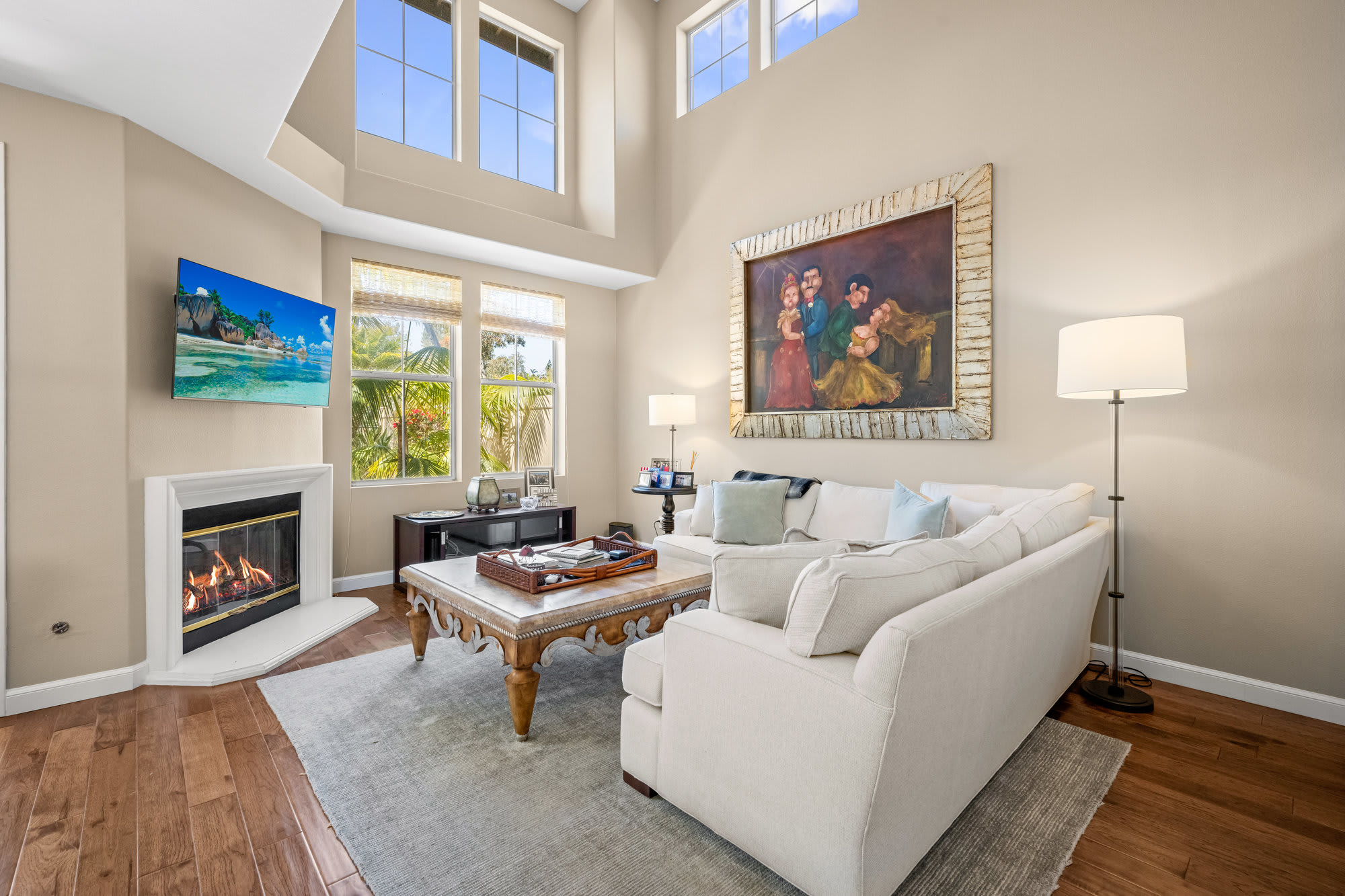

In a competitive real estate market, sellers often wonder if the extra effort and expense of home staging is truly necessary. While it might seem like an optional add-on, a closer look at the data reveals that professional staging is one of the most powerful marketing tools at a seller’s disposal. The decision to stage isn't just about aesthetics; it's a strategic move that can significantly impact your bottom line and timeline.
For sellers seeking a competitive edge, the numbers speak for themselves. Here are three of the most compelling, data-driven reasons to stage your home:
1.You'll Likely Get a Higher Offer. Staging is not just about making a space look pretty; it’s about creating value in the eyes of a buyer. According to a 2025 report from the National Association of Realtors® (NAR), nearly a third of sellers' agents saw a 1-10% increase in the dollar value of offers for staged homes compared to their unstaged counterparts
Data from the Real Estate Staging Association (RESA) further supports this, with staged homes in 2025 selling for an average of 7-9% over the asking price
2.Your Home Will Sell Faster. Time is money, and a staged home spends significantly less time on the market. The NAR report found that 49% of sellers' agents observed a reduction in the time their listings were on the market
RESA's quarterly reports show that staged homes sold in an average of just 9 to 19 days in 2025
This speed is crucial in preventing the price reductions that often accompany a lingering listing.
3.You're Selling a Vision, Not Just a House. Perhaps the most critical function of staging is helping potential buyers emotionally connect with a property. A staggering 83% of buyers' agents reported that staging makes it easier for a buyer to visualize the property as their future home
In an empty or cluttered space, buyers can struggle to see the potential. Staging removes the guesswork, showcases the home's best features, and creates an aspirational lifestyle that buyers want to invest in.
Of course, there are exceptions to every rule. Staging may not be necessary for properties being sold as-is to investors, for major fixer-uppers destined for a gut renovation, or in an extreme seller's market where intense bidding wars are the norm. In these specific scenarios, the return on investment may be negligible. However, for the vast majority of sellers, the evidence is clear. Home staging is a calculated investment that yields a faster sale, a higher price, and a powerful connection with buyers.