

No, Home Prices Aren't "Already Down 50%" — What the Foreclosure Data Actually Shows in San Diego
By Loren Sanders, Beach Life Group at Compass | August 10, 2026
A YouTube video making the rounds this week has a headline built to stop your scroll: "ABC News warns of MASS foreclosure spike (prices already down 50%)." It's from Reventure Consulting, a channel with 681,000 subscribers, and it's racking up views.
Here's the problem: I went and read ABC News' actual reporting — the source cited in that title. The 50% number isn't in it. Neither is "mass foreclosure spike."
As someone who looks at San Diego's numbers every single week, I think you deserve the real picture, not the scariest possible version of it. So let's separate what's actually happening from what's being sold to you as content.
What ABC News Actually Reported
ABC News' analysis, done with ABC-owned TV stations using ATTOM data, found that foreclosure filings rose 21% year-over-year in the first half of 2026. That's real, and it's worth talking about. But the same reporting also noted that foreclosure activity remains well below the peak of the 2008 housing crisis, and it never claims home prices have fallen 50% anywhere in the country.
So where did that number come from? Three individual listings — a short sale in Florida, one near Atlanta, one in Colorado — where distressed sellers are taking real, painful losses. Those stories are true. But three asking prices on three specific homes are not a national price trend, a city median, or evidence of a market crash. They tell us nothing about a home's condition, financing, or why it didn't sell at the original price. Stretching three data points into "prices already down 50%" is exactly how a headline gets clicks instead of accuracy.
The National Numbers, in Context
Here's what the data actually says:
- 227,548 U.S. properties had a foreclosure filing in the first half of 2026 — up 21% year-over-year.
- That's just 0.16% of all U.S. housing units. One in every 632 homes.
- For comparison, at the peak of the 2008 crisis, it was one in every 45 homes.
- Mortgage delinquencies (3.55%) are still below pre-pandemic 2019 levels (4.16%).
- New FHA defaults fell 15% year-over-year — their largest annual decline in more than four years.
The honest read: foreclosures are rising off an unusually low, pandemic-suppressed base, and that increase deserves attention — especially for recent buyers with thin equity, FHA borrowers, and households hit by rising insurance and HOA costs. But "rising" and "normalizing" is a very different story than "crashing."
Where the Real Pressure Is
If you want to know where foreclosure stress is genuinely concentrated, it's not California. It's Florida (0.27% filing rate), South Carolina (0.26%), Indiana (0.25%), Delaware (0.25%), and Illinois (0.23%) — states where insurance costs, property taxes, and new-construction competition have squeezed recent buyers hardest. Metro-level, Punta Gorda and Lakeland, Florida, and Columbia, South Carolina are seeing the most filings relative to their size.
What's Actually Happening in San Diego
Here's the part I care about most, because it's the part that affects you directly.
San Diego's July 2026 numbers show:
- Active listings: 5,981, down 14.1% year-over-year
- Closed sales: 2,142, up 6.0% year-over-year
- Countywide median price: $940,000, up 3.3% year-over-year
- Lender-mediated sales: just 3.9% of July closings
Fewer homes for sale, more homes selling, and higher prices than a year ago — that is not what a foreclosure crisis looks like.
One important clarification: San Diego's MLS "lender-mediated" category is broader than foreclosure. It also folds in probate sales, estate sales, HUD properties, short sales, and court-approved sales. So even that 3.9% figure overstates true foreclosure activity — it's the closest available number, but it's not a pure foreclosure rate.
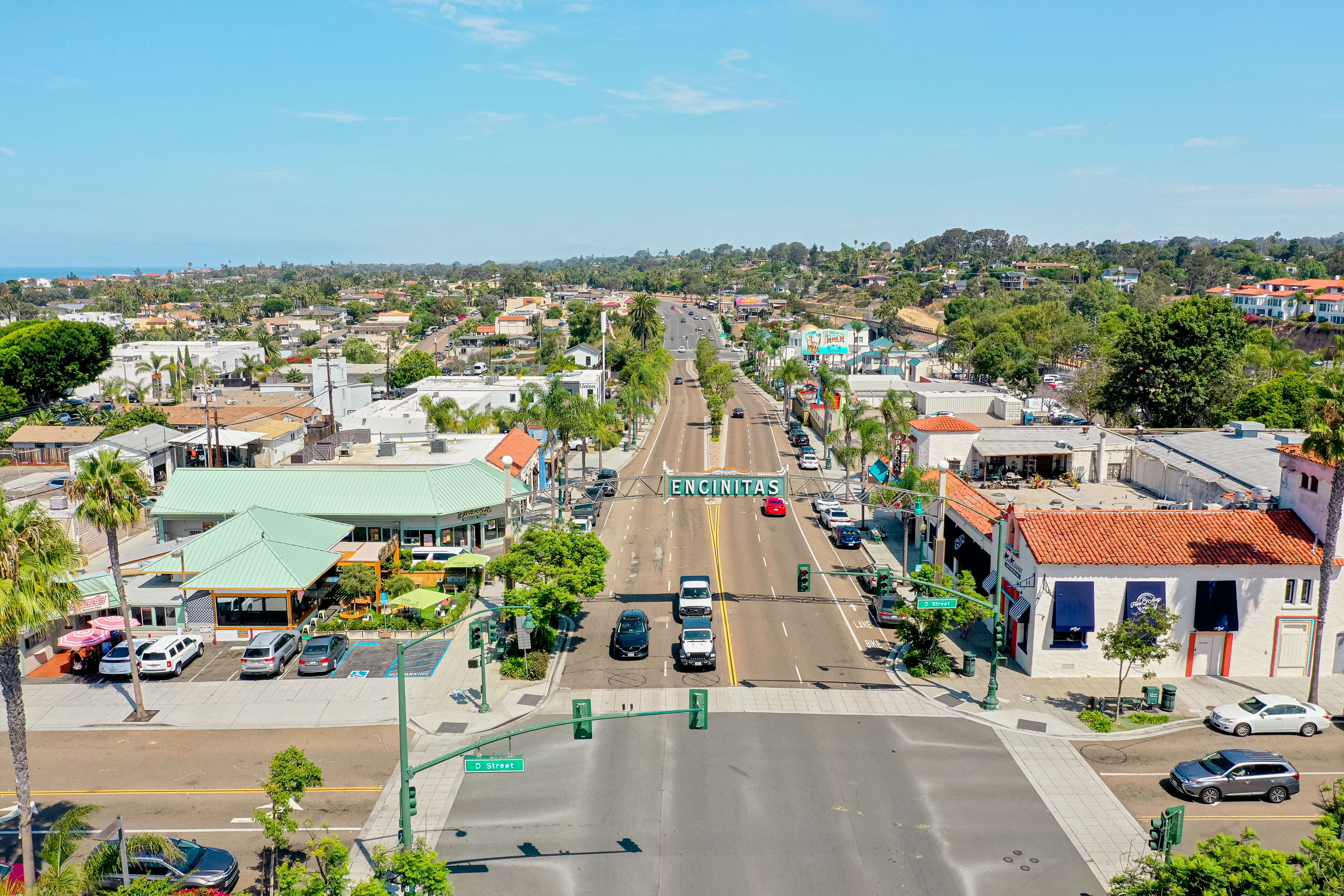
The one trend worth watching locally: condo and townhome lender-mediated inventory rose 37% year-over-year, while single-family lender-mediated inventory actually fell 16%. Attached housing owners are more exposed to rising HOA dues, insurance, and special assessments, and it's showing up in the numbers. Along the coast — Cardiff, Carlsbad, Encinitas, Solana Beach — lender-mediated activity remains minimal, generally under 4% of active inventory.
What This Means for You
If you're selling: There's no foreclosure wave distorting San Diego inventory. Price to today's competition, particularly if you're selling a condo or townhome.
If you're buying: Genuine distressed opportunities exist, but they're rare locally and often carry condition or title complications. Evaluate the total cost of a deal, not just the headline discount.
If you're a homeowner feeling squeezed: San Diego's equity levels mean many owners have real options — a sale, a loan modification, or refinancing — before foreclosure ever becomes necessary. Talk to a professional early; the earlier you start, the more choices you have.
If you're investing: The real stress is concentrated in specific Sun Belt and Midwest markets, not here. Underwrite each opportunity on its own merits — don't make a decision off a national headline.
The Bottom Line
Foreclosures are rising, and that's a real trend worth tracking. But it's rising from an unusually low base, national mortgage performance is still comparatively healthy, and San Diego's July numbers show a market that's tightening, not collapsing. A scary headline built from three listings doesn't change what's actually in the data.
I'd rather give you the accurate, sometimes-less-exciting version of the market than the version designed to get views. That's the job.
Have questions about what this means for your specific situation — buying, selling, or just trying to make sense of the market? Reach out anytime at 760-602-1000 or Loren@beachlifegroup.com.
Sources: ATTOM Mid-Year 2026 U.S. Foreclosure Market Report; ICE First Look at June 2026 Mortgage Data; Realtor.com Research; ABC News, "Foreclosures on the rise nationwide, data shows" (July 23, 2026); Greater San Diego Association of REALTORS Lender-Mediated Properties Report, July 2026.
This post is for general educational purposes and is not legal, tax, lending, or investment advice.